Installing a home EV charger: cost, grants and rules
Most 2026 UK guides put a standard 7 kW home charger, supplied and fitted, at about £800 to £1,200, more if you need a consumer unit upgrade or a long cable run. The government grant of up to £500 is for people who own a flat or rent, not homeowners in houses.
Typical home EV charger costs
| Item | Typical price |
|---|---|
| 7 kW charger, supplied and fitted (standard install) | £800 – £1,200 |
| Charger unit alone | £400 – £700 |
| Consumer unit (fuse box) upgrade, if needed | £400 – £800 |
| Longer cable run | +£100 – £300 |
| London and the South East | often 20 – 30% more |
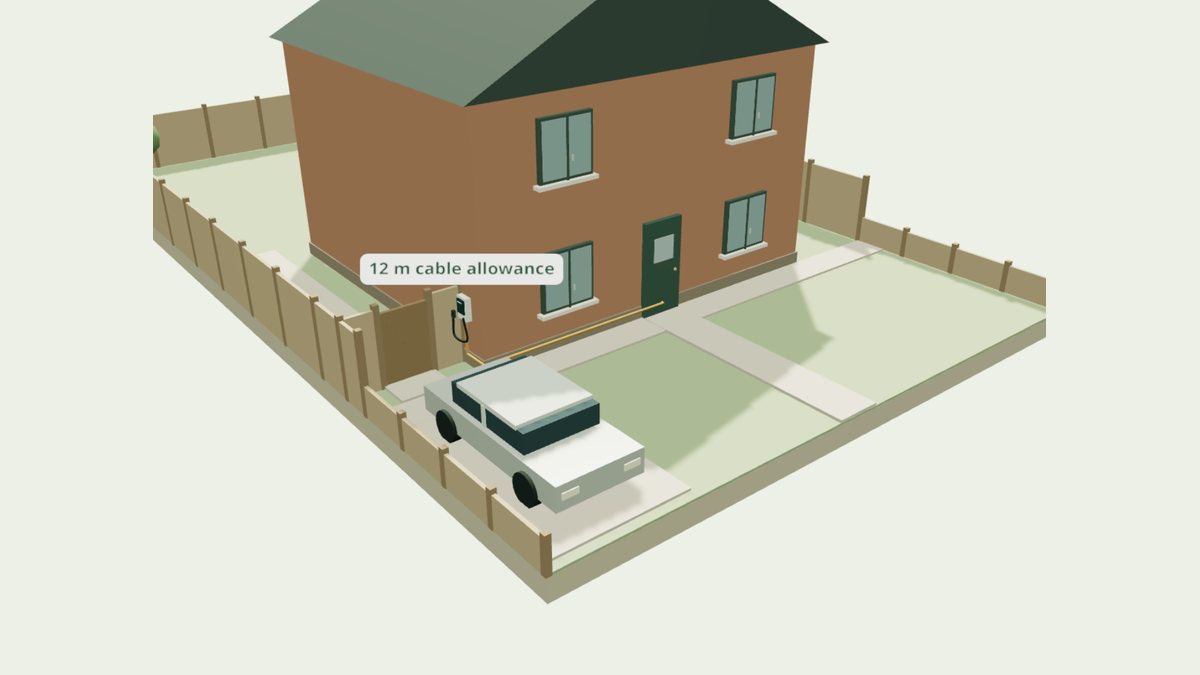
A standard install assumes the charger is close to your fuse box, on an outside wall by the parking space. Digging a trench to a drive, or a three-phase 22 kW charger, costs more.
The government grant (OZEV)
- The EV chargepoint grant for renters and flat owners pays up to £500 for installations from 1 April 2026 (it was £350 before).
- It is for people who own and live in a flat, or rent and live in any home, with private off-street parking. Homeowners in houses can’t claim it.
- You need an OZEV-authorised installer, an eligible vehicle, and permission from your landlord or freeholder where needed. The installer usually makes the claim.
Rules your charger and installer must follow
- Smart chargers only: since 30 June 2022, home chargers sold in Great Britain must be smart. They come with default off-peak schedules, a randomised start delay and security protections.
- Electrical safety: fitting a charger usually means a new dedicated circuit. In England and Wales that is notifiable work under Part P, so use an electrician registered with a competent person scheme (such as NICEIC or NAPIT) who can certify it and notify building control.
- Earthing: your installer must check the earthing arrangement and protection for an outdoor charger, which sometimes needs an earth rod or a charger with built-in protection.
- Planning: a wall-mounted charger at a house is usually permitted development in England, with limits on size and position. Listed buildings need consent.
Wales, Scotland and Northern Ireland
The smart charge point rules apply across Great Britain. Part P covers England and Wales; Scotland and Northern Ireland have their own electrical and building rules, but you should still use a registered electrician.
- Wales has its own permitted development rules. They are similar to England’s in many places but not identical, so check with your council before relying on English limits.
- Scotland has separate planning rules, and most building work needs a building warrant from the council’s building standards team before it starts.
- Northern Ireland has its own permitted development order and building regulations, run by local councils.
Before you hire someone
- Check whether you qualify for the £500 grant before you get quotes.
- Use an electrician registered with NICEIC, NAPIT or another competent person scheme (OZEV-authorised if you’re claiming the grant).
- Ask whether your fuse box needs upgrading and include it in the quote.
- Confirm the cable route and charger position, and who makes good afterwards.
- Make sure the charger is a compliant smart charger.
- Get the electrical certificate and building control notification when the job is finished.
Common questions
How much does it cost to install a home EV charger in the UK?
Most 2026 UK guides put a standard 7 kW charger, supplied and fitted, at about £800 to £1,200. A consumer unit upgrade can add £400 to £800, and London prices are often 20 to 30% higher.
Can I get a grant for a home EV charger?
If you own and live in a flat, or rent your home, the government EV chargepoint grant pays up to £500 from 1 April 2026. Homeowners living in houses are not eligible.
Does a home charger have to be smart?
Yes. Home chargers sold in Great Britain since 30 June 2022 must meet the Electric Vehicles (Smart Charge Points) Regulations 2021, including default off-peak charging and security requirements.
Do I need planning permission for an EV charger?
A wall-mounted charger at a house in England is usually permitted development, within size and position limits. Listed buildings need consent, and flats may need the freeholder’s permission.
Sources
Figures and rules were checked on 14 October 2026. Prices are published UK ranges, not quotes: get written quotes for your own job.